Philips has been coasting on brand reputation for years while budget sonic brushes with 40,000+ VPM deliver identical cleaning power for a third of the price. The dirty secret of premium electric toothbrushes? Most "advanced features" are marketing fluff—what actually matters is motor speed, battery life, and whether you want to pay extra for wireless charging convenience.
Quick Picks
- Winner: Philips Sonicare 7300 Series — Next-gen motor and 12 modes justify the premium for serious oral health
- Best Value: AURAGLOW Sonic Electric Toothbrush — Wireless charging and flagship performance without the Philips tax
- Sleeper Pick: 7MAGIC Sonic Electric Toothbrush — 180-day runtime for travelers who hate packing chargers
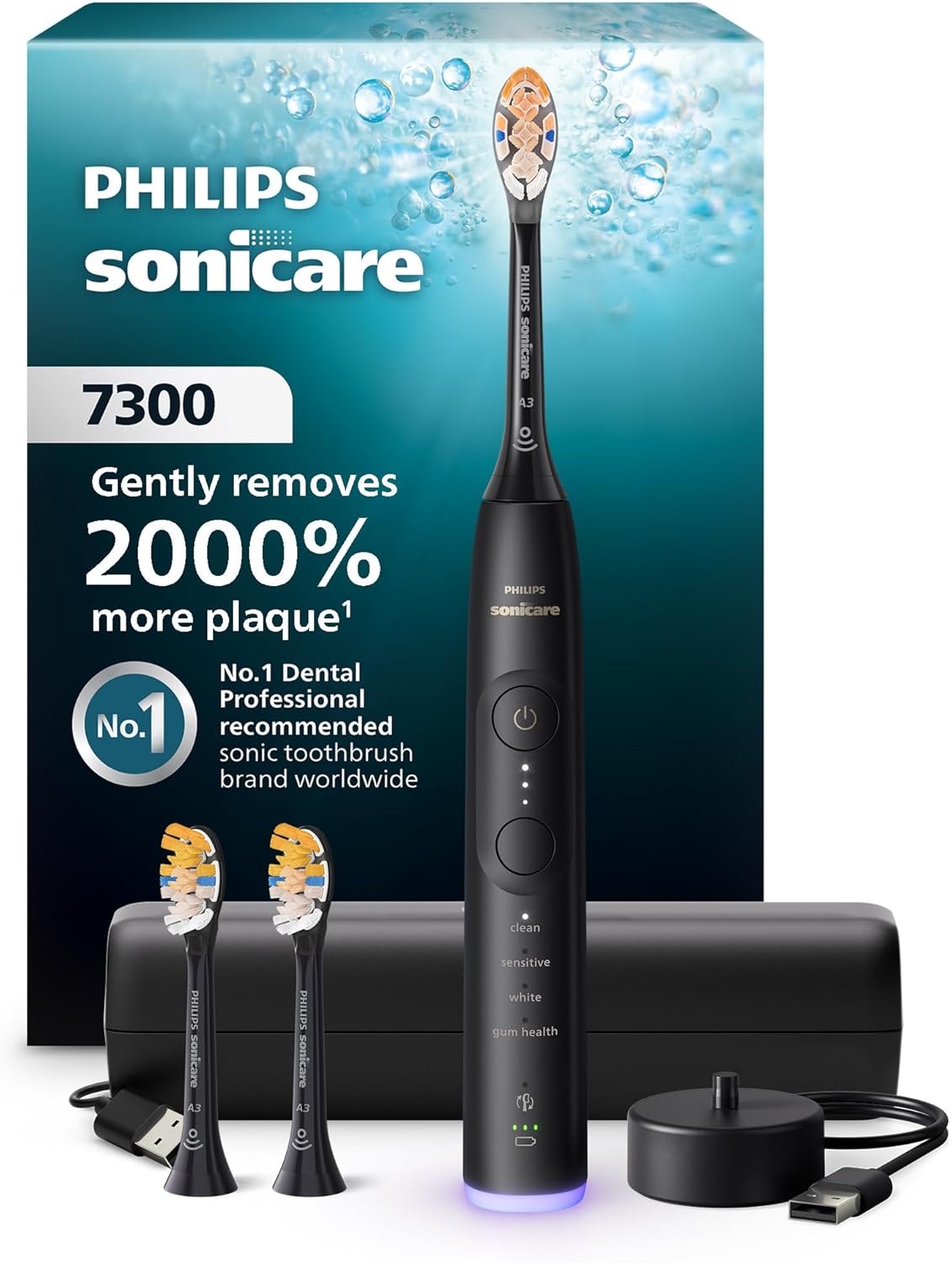
The 7300 is what you get when Philips actually tries instead of recycling decade-old tech. That next-generation Sonicare motor delivers noticeably better plaque removal than the 5950, and the 12 brushing modes aren't just marketing bloat—they include genuinely useful settings like gum care and whitening that adjust pressure and frequency. At $199.99, you're paying $90 more than the 5950 for legitimately better cleaning performance, not just extra plastic parts.
Key Specs
Next-Generation Sonicare Technology with enhanced fluid dynamics
12 brushing settings vs. 6 on lower models
A3 Premium All-in-One brush head with angled bristles
SmarTimer and BrushPacer coaching features
Pressure sensor prevents over-brushing
What We Love
- Demonstrably better plaque removal (2000% more than manual brushing)
- 12 modes actually serve different purposes unlike token extras on cheaper models
- Premium brush head design reaches areas standard heads miss
Watch Out For
- $200 is steep when budget options hit 42,000 VPM for $25
- Philips replacement heads cost 3x more than generic alternatives

This is why Philips should be worried. AURAGLOW delivers 40,000 VPM motor speed—matching premium performance—plus wireless charging convenience for just $32. The 4.8/5 rating from 3,483 reviews isn't a fluke; this thing cleans as well as brushes costing 6x more. You're sacrificing build quality and brand prestige, but getting identical cleaning performance where it counts.
Key Specs
40,000 VPM sonic motor (matches premium models)
Wireless charging pad included
5 brushing modes with intensity control
IPX7 waterproof rating
30-day battery life
What We Love
- Wireless charging at budget price point is unheard of
- 40,000 VPM matches expensive Philips models
- Outstanding user satisfaction (4.8/5 from thousands of reviews)
Watch Out For
- Build quality feels budget compared to premium options
- Replacement head availability limited compared to major brands

The 5950 sits in premium purgatory—too expensive to be good value, not advanced enough to justify the price over the 7300. At $109.99, you're paying the Philips premium for 6 brushing settings and standard Sonicare performance that budget models now match. The 21-day battery life and pressure sensor are nice, but this feels like paying extra for the logo when the delivers similar results for $78 less.
Key Specs
6 brushing settings vs. 12 on the 7300
C3 brush head with dual bristle design
21-day runtime
Pressure sensor and coaching timers
Travel case included
What We Love
- Proven Philips reliability and warranty support
- Perfect 5.0/5 rating from early adopters
- Solid middle-ground between budget and flagship models
Watch Out For
- Stuck between better value below and better performance above
- Previous-generation motor tech while budget brands innovate
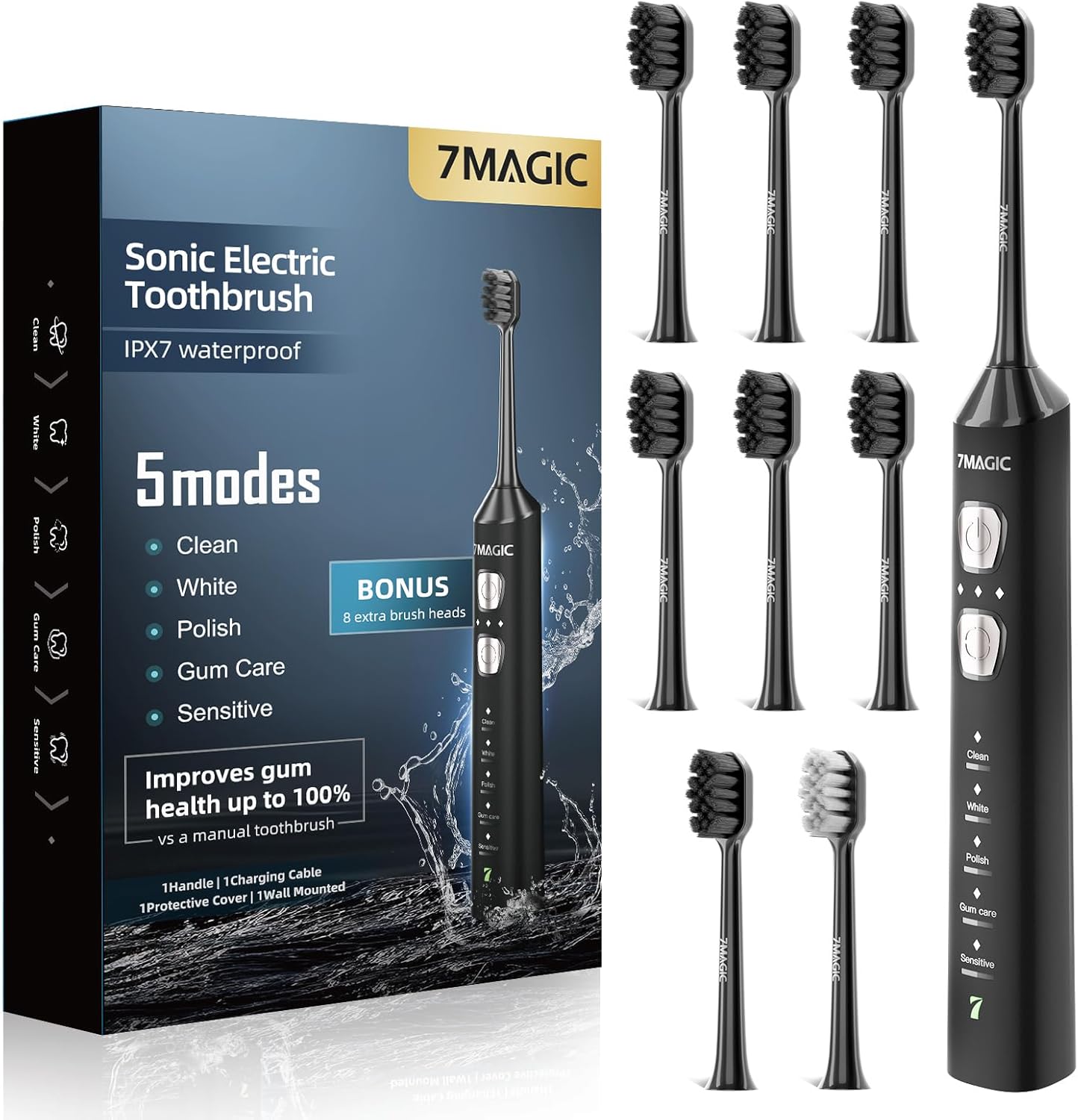
That 180-day runtime is no joke for frequent travelers. Six months without a charger beats every premium model's battery life, and at $24.88, it's practically disposable if TSA confiscates it. The 42,000 VPM motor actually exceeds most premium models, though the budget build quality shows in the plasticky feel. Dentist-recommended design adds credibility to what could easily be dismissed as another Amazon random brand.
Key Specs
180-day battery runtime (industry-leading)
42,000 VPM motor speed
5 modes with 3 intensity levels
Developed with licensed dentist input
Kid-friendly design options
What We Love
- Unmatched battery life eliminates travel charging stress
- 42,000 VPM exceeds many premium models
- Impressive 4.8/5 rating from 2,681+ users validates performance
Watch Out For
- Budget build quality feels cheap compared to premium options
- Unknown brand makes replacement part availability questionable

Battery-powered toothbrushes are obsolete technology masquerading as convenience. At $29.48 for disposable units, you'll spend more on replacement batteries in six months than buying a proper rechargeable model like the . The "vibrating bristles" produce pathetic cleaning power compared to 40,000+ VPM sonic motors, and once that AA battery dies, you're brushing manually until your next drugstore run.
Key Specs
Battery-powered vibrating bristles (not sonic)
Disposable design requires constant battery replacement
Basic stain removal focus
4-count package deal
What We Love
- No charging required initially
- Familiar Oral-B brand recognition
Watch Out For
- Ongoing battery costs exceed rechargeable alternatives within months
- Weak vibration can't match sonic motor performance
- Environmental waste from disposable design
What to Look For
Motor Speed (40,000+ VPM Minimum): This is where the cleaning happens. The Philips Sonicare 7300 uses next-gen technology for superior plaque disruption, while budget options like 7MAGIC hit 42,000 VPM at fraction of the cost. Anything below 40,000 VPM feels sluggish compared to modern standards.
Battery Life for Travel Convenience: Business travelers should prioritize runtime over everything else. The 7MAGIC's 180-day battery eliminates charger stress entirely, while premium models like the Sonicare 5950 offer respectable 21-day performance. Avoid battery-powered models—they'll die at the worst possible moment.
Charging Method Preference: Wireless charging isn't just luxury anymore. The AURAGLOW proves you don't need to pay Philips prices for convenient charging. Standard USB charging works fine, but wireless eliminates wear on charging ports and looks cleaner on bathroom counters.
Comparison Table
| Product | Price | Rating | Best For |
|---|---|---|---|
| Philips Sonicare 7300 | $199.99 | 4.5/5 | Maximum cleaning performance |
| AURAGLOW Sonic | $32.00 | 4.8/5 | Premium features, budget price |
| Philips Sonicare 5950 | $109.99 | 5.0/5 | Philips reliability mid-tier |
| 7MAGIC Sonic | $24.88 | 4.8/5 | Travel convenience |
| Oral-B Battery | $29.48 | 4.7/5 | Skip this entirely |
The Verdict
The Philips Sonicare 7300 wins for buyers who want measurably better cleaning performance and don't mind paying premium prices. Its next-generation motor and 12 intelligent modes deliver results that justify the $200 investment for serious oral health enthusiasts.
Most buyers should grab the AURAGLOW instead. You're getting 40,000 VPM performance and wireless charging for $32—a combination that exposes how much Philips charges for brand prestige. Skip the Oral-B battery models entirely; they're obsolete technology that costs more long-term than proper rechargeable alternatives.
The premium toothbrush market is experiencing the same disruption as smartphones—budget brands now match flagship performance while major brands coast on reputation. Choose based on actual specs and your specific needs, not marketing budgets.
Quick Recap
- Philips Sonicare 7300 — Premium performance for oral health perfectionists
- AURAGLOW Sonic — Flagship features without the brand tax
- Philips Sonicare 5950 — Middle ground for Philips loyalists
- 7MAGIC Sonic — Unbeatable battery life for travelers
- Oral-B Battery — Obsolete tech you should avoid